
The first week of school tips for new teachers can make the difference between simply surviving those opening days and building a classroom where students feel safe, engaged, and ready to learn. While lesson plans matter, your greatest priority during the first week is establishing routines, expectations, and positive relationships that will support learning throughout the entire school year.
Table of Contents
ToggleWhy the First Week of School Matters
The first few days set the tone for everything that follows. Students are learning more than your classroom rules—they’re learning whether your classroom is organized, predictable, and welcoming. Investing time now will save countless hours of correcting behavior later.
1. Teach Procedures Before Content
Many new teachers feel pressure to jump immediately into academics. Instead, teach classroom procedures first. Show students exactly how to enter the room, submit assignments, ask for help, transition between activities, and end the class period. Then have them practice each procedure several times until it becomes routine.
2. Build Relationships Intentionally
Learn every student’s name as quickly as possible. Greet students at the door, ask questions about their interests, and look for opportunities to encourage them individually. Strong relationships create trust, and trust creates a classroom where students are more willing to participate and take academic risks.
Research and practical classroom strategies from Edutopia consistently emphasize the importance of establishing classroom routines and building positive relationships during the opening days of school.
3. Be Consistent Every Day
Students quickly recognize whether expectations change from one day to the next. If you establish a classroom routine, consistently follow through. Consistency creates security, reduces confusion, and strengthens classroom management.
4. Give Students Opportunities to Participate
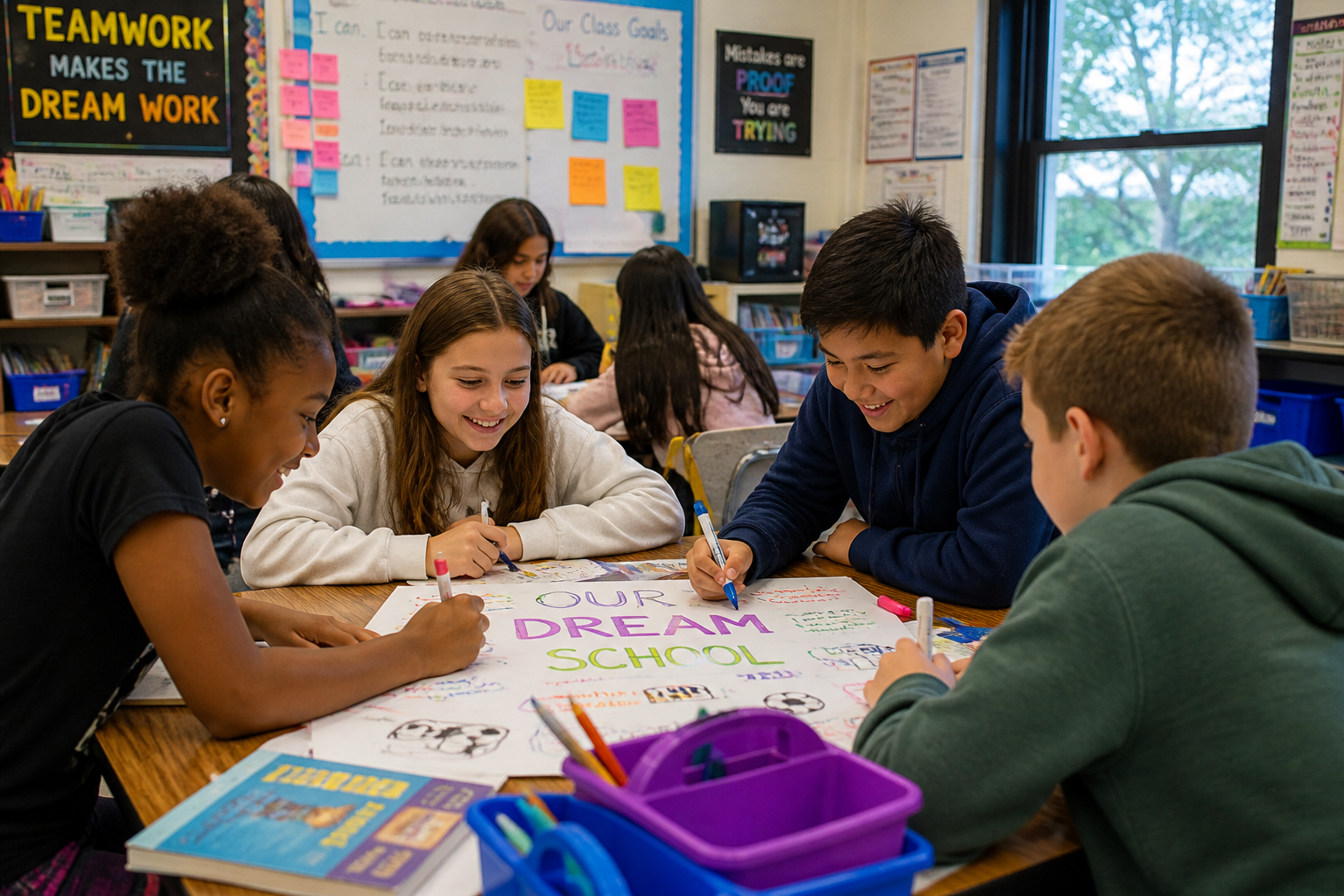
The best classrooms are interactive. Include partner discussions, quick reflection activities, and opportunities for students to share ideas. When students are actively engaged, they’re more likely to stay focused and connected.
5. Reflect Instead of Striving for Perfection
Every experienced teacher remembers mistakes made during the first week of school. Don’t expect perfection. At the end of each day, ask yourself one question: “What is one thing I can improve tomorrow?” Small improvements made consistently lead to remarkable growth over time.
One Resource That Can Help
If you’re looking for even more first week of school tips for new teachers, I’ve recently published The First 5 Days. The book is filled with practical, classroom-tested strategies to help new educators establish routines, build relationships, and create a positive classroom culture from Day One.
You can learn more or order your copy here:
https://amzn.to/4hekxiI
Remember, the goal isn’t to have a perfect first week. The goal is to create a classroom where students know what to expect, feel valued, and are excited to learn. Start strong, stay consistent, and give yourself permission to grow. Great teachers aren’t made in a week—they’re built one intentional day at a time.