
You’re halfway through explaining an important concept when a student blurts out a question. Before you can respond, another student interrupts with an unrelated comment. Suddenly, several students are talking, your lesson loses momentum, and you’re struggling to regain everyone’s attention.
Sound familiar?
For first-year teachers, how to stop classroom interruptions can quickly become one of the most frustrating parts of teaching. But here’s something worth understanding: Not every interruption is an act of defiance.
Sometimes students interrupt because they’re excited, confused, seeking attention, or simply haven’t learned when and how to participate appropriately. The solution isn’t always stricter discipline. Often, it’s clearer expectations and consistent responses.
1. Teach Students What Appropriate Participation Looks Like
Never assume students automatically understand when it’s appropriate to speak. Instead, demonstrate the difference between participating and interrupting.
For example, explain: “When someone is speaking, we listen. If you have something to contribute, raise your hand and wait until you’re recognized.” Then practice the procedure.
Younger students may benefit from visual reminders, while older students may respond better to a brief discussion about respectful communication. A procedure that hasn’t been taught cannot reasonably be expected to become a habit.
2. Stop Competing With Student Voices
One mistake new teachers sometimes make is continuing to talk while students interrupt. Unfortunately, this can unintentionally teach students that talking over the teacher is acceptable.
Instead, pause. Remain calm, wait briefly, and redirect students using a consistent phrase: “Let’s give our attention to the person speaking.” Avoid lengthy lectures or emotional reactions. Your goal is to restore attention, not turn an interruption into a confrontation.
3. Build Opportunities for Students to Talk
Here’s something many teachers overlook: Students need opportunities to communicate during lessons. When instruction consists entirely of teacher talk, some students may create their own opportunities to participate.
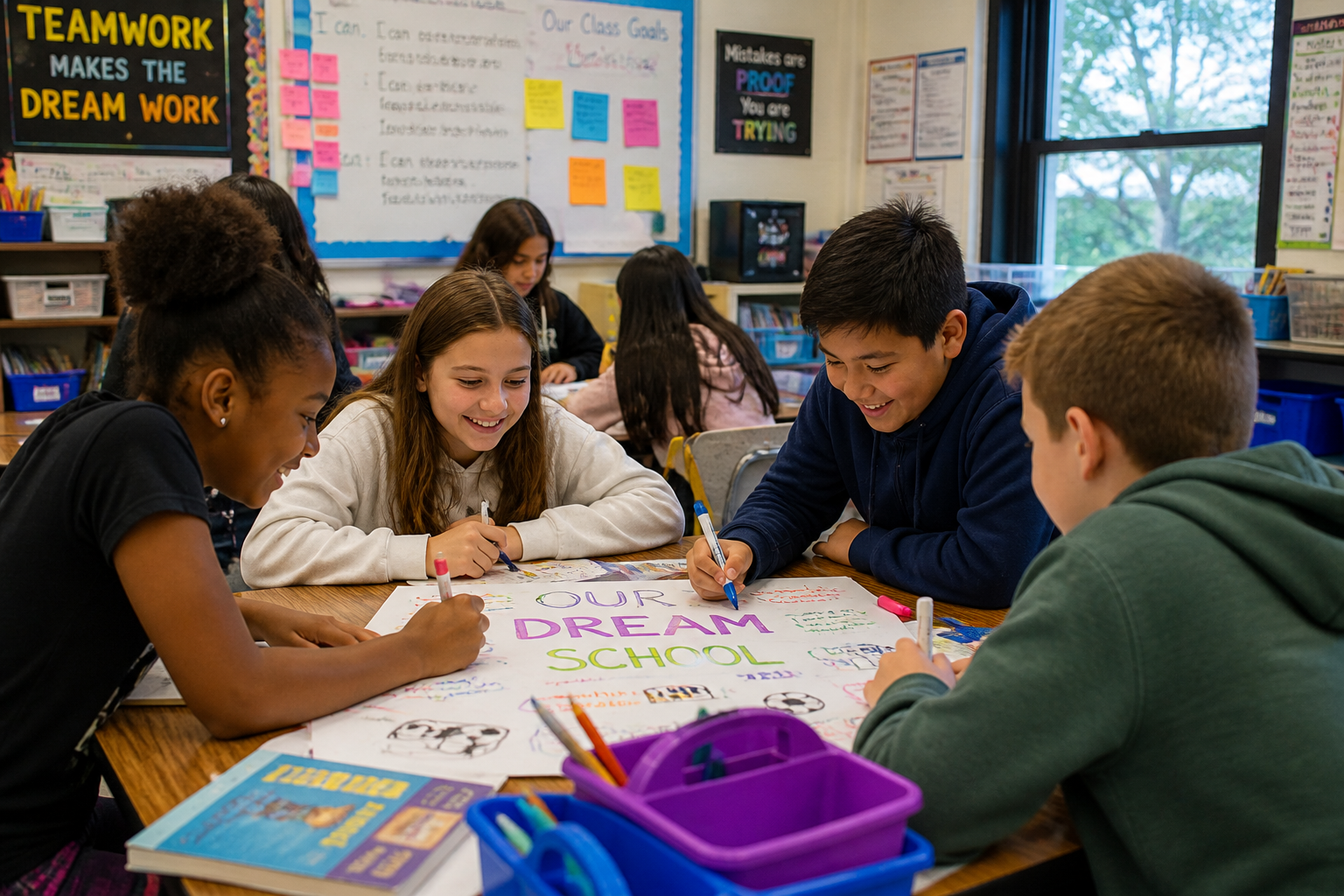
Consider brief partner discussions, think-pair-share activities, quick response questions, and structured opportunities for students to explain their thinking. These strategies won’t eliminate every classroom interruption, but they can reduce unnecessary disruptions while keeping students actively involved.
Structured activities can make participation more meaningful. For additional classroom-ready ideas, explore the teaching materials at Teacher Classroom Resources.
4. Respond Consistently Without Embarrassing Students
When a student repeatedly interrupts, avoid turning the correction into a public showdown. When it comes to stopping classroom interruptions, a simple reminder may be enough: “I want to hear your thoughts. Please wait until it’s your turn.”
If interruptions continue, speak privately with the student. Ask what’s happening, clarify expectations, and agree on a better way to participate. Consistency matters more than intensity.
5. Reinforce the Behavior You Want Repeated
Don’t spend all your energy correcting interruptions. Notice when students listen respectfully, wait their turn, or contribute appropriately.
A simple acknowledgment can make a difference: “I appreciate how you waited until your classmate finished speaking.” Specific recognition helps students understand exactly which behaviors support a productive classroom.
One Final Thought
Classroom interruptions won’t disappear overnight. And that’s okay. Your goal isn’t a classroom where students never speak. It’s a classroom where students understand when to speak, how to participate, and why respecting others matters.
Start with one strategy. Teach it clearly. Practice it consistently. Small improvements in classroom routines can lead to meaningful improvements in student behavior.
And remember, my friend—you got this!
Before Experience Teaches You
What Every Experienced Teacher Wishes They Had Known Their First Year
Some of the most valuable teaching lessons are learned through experience—but you don’t have to learn them all the hard way. In Before Experience Teaches You, Stephen Hiles shares practical strategies and real-world insights to help new and early-career teachers build confidence, manage classroom challenges, connect with students, and avoid unnecessary stress.
Looking for Practical Classroom Resources?
Discover classroom-ready teaching materials, activities, and resources designed to save you planning time and make your teaching day a little easier.